

big silver mirror
Understanding Measurement The 4% Foot Level with Ruler When it comes to measurement, precision is key, and tools like rulers become essential in various fields such as architecture, carpentry, and education. One intriguing aspect of measurement is how seemingly small percentages can lead to significant implications in real-world applications. The concept of the 4% foot level often ties into height measurements, adjustments, and standards across different disciplines. In this article, we will explore what the 4% foot level signifies, its applications, and the importance of accurate measurement with tools like rulers. The Basics of Measurement To understand the essence of the 4% foot level, we must first discuss measurement itself. Measurement involves assigning numbers to physical quantities. Rulers provide a straightforward way to measure lengths, widths, and height. The typical ruler, often marked in both inches and centimeters, enables individuals to ascertain dimensions accurately. Rulers can come in various formats. For instance, a standard wooden ruler usually measures 12 inches long, while a metric ruler can measure up to 30 centimeters. Both rulers are divided into smaller increments, allowing for precise readings. In fields where precision is paramount, such as engineering or construction, even a slight miscalculation can result in significant errors. This is where the 4% foot level can come into play, dictating specific thresholds for measurements. The Concept of the 4% Foot Level The term “4% foot level” might not be universally defined, but it can refer to several specific situations related to design and structural integrity. Generally, in contexts like building codes or safety regulations, a 4% variance could relate to allowable tolerances in height or levelness to ensure safety and functionality. For instance, in sloped surfaces, adherence to the 4% foot level could mean maintaining the slope within acceptable limits for accessibility and safety. 4 foot level with ruler In the construction industry, understanding and maintaining proper levels is crucial. The 4% foot level could be a guideline for setting the maximum allowable slope of a ramp, surface, or other structures. For instance, a ramp designed for wheelchair access must comply with the Americans with Disabilities Act (ADA), which stipulates that the slope should not exceed 112 ratio, corresponding to roughly 8.33%. If we calculate a 4% grade, this translates to a slope of about 1 inch of rise for every 24 inches of run. This ensures that those who may have mobility challenges can access buildings and public spaces safely. Using a Ruler for Precision To achieve accuracy in measurements relating to the 4% foot level, using a ruler effectively is essential. When measuring a slope or an elevation, one can use a level ruler to determine if the incline adheres to the specified percentage. For instance, suppose you want to create a ramp with a grade of 4%. By extending the ruler horizontally to a length of 12 inches, you can measure the rise; a rise of 0.48 inches would denote compliance with the 4% level standard. In practical applications, not only architects and engineers benefit from these measurements, but also DIY enthusiasts and everyday individuals undertaking home projects. A simple measuring task can lead to effective and safe solutions when one follows guidelines like the 4% foot level. Conclusion In summary, understanding the concept of the 4% foot level in combination with using rulers for measurement is integral to achieving accuracy across various fields. Whether in construction, design, or personal projects, maintaining precision ensures adherence to safety and performance standards. With the right tools and knowledge, anyone can achieve effective measurements that foster safe environments and functional designs. As we navigate the complexities of measurement, it becomes evident that small percentages can carry considerable weight in creating accessible, safe, and efficient spaces. Embracing accurate measurement practices ultimately leads to better outcomes in our built environment and daily lives.
about
big silver mirror
Replacing the Main Water Shut-Off Valve A Comprehensive Guide The main water shut-off valve is a critical component in any plumbing system. It controls the flow of water into your home, making it essential for maintenance, repairs, and emergency situations. Over time, valves can wear out, corrode, or develop leaks, necessitating their replacement. This article will walk you through the process of replacing your main water shut-off valve, ensuring you can manage your home’s plumbing effectively. Understanding the Main Water Shut-Off Valve The main water shut-off valve is typically located where the water line enters your home, often in the basement, crawl space, or near the foundation. Its primary function is to allow you to stop the flow of water throughout your home, which is especially useful during repairs or in emergencies, such as a burst pipe. Knowing the location of your shut-off valve is the first step to effective home maintenance. Signs You Need a Replacement Before diving into the replacement process, it's essential to recognize when your shut-off valve needs to be replaced. Common signs include - Rust or Corrosion Visible rust or corrosion on or around the valve could indicate it is failing. - Leaks Water dripping from the valve signifies that it may need replacement. - Difficulty Turning If the valve is hard to turn or will not fully close, it could lead to problems down the line. - Age If your valve is older than 20 years, it may be time to consider a replacement. Tools and Materials Needed To replace the main water shut-off valve, you will need the following tools and materials - A new ball valve or gate valve (ensure it is the correct size for your plumbing system) - Pipe wrenches or adjustable wrenches - Pipe cutter (if necessary) - Plumber’s tape - Towels or a bucket (to catch any leaking water) - Safety glasses and gloves replacing main water shut off valve Step-by-Step Replacement Process 1. Turn Off the Water Supply Before beginning, check if your home has an emergency shut-off valve outside. If not, make sure to turn off your water supply at the municipal main. 2. Drain the System Open faucets in your home to relieve pressure and drain any existing water in the pipes. This step prevents water from spilling when you remove the old valve. 3. Remove the Old Valve Use your wrench to loosen the nuts attached to the valve. Depending on the type of valve, you may need to cut the pipes connected to it. If you do, ensure you leave enough piping on each side for the new valve. 4. Install the New Valve Begin by wrapping plumber’s tape around the threads of the new valve to ensure a tight seal. Position the valve and tighten it to the existing pipes with your wrench. Make sure the valve's direction matches the flow of water. 5. Test the Installation Once the new valve is securely in place, turn on the main water supply. Check for any leaks at the connections. If everything appears secure, open a faucet to allow air to escape, which will help stabilize the system. 6. Monitor for Leaks After installation, keep an eye on the valve for the next few hours. Any signs of leakage will require tightening or re-evaluation of your installation. Conclusion Replacing the main water shut-off valve may seem intimidating, but with the right tools and a step-by-step approach, it can be accomplished by most homeowners. Regular maintenance of plumbing components, including the shut-off valve, is vital for preventing water damage and ensuring a reliable water supply. If at any point you feel unsure about the process, do not hesitate to consult a professional plumber for assistance. Ensuring your plumbing system works correctly will save you time and money in the long run.
-

High quality industrial productsagement

High quality industrial products
View Details -

Meet the diverse needs of customers

Meet the diverse needs of customers
View Details -

Strict quality control

Strict quality control
View Details -

Top raw materials

Top raw materials
View Details -

Trusted supplier

Trusted supplier
View Details
Our application

news and information
Versatile Metal Saddle Clamp for Securely Holding Pipes and Tubing in Various Applications
The Importance of Metal Saddle Clamps in Modern Applications In the world of engineering and constru
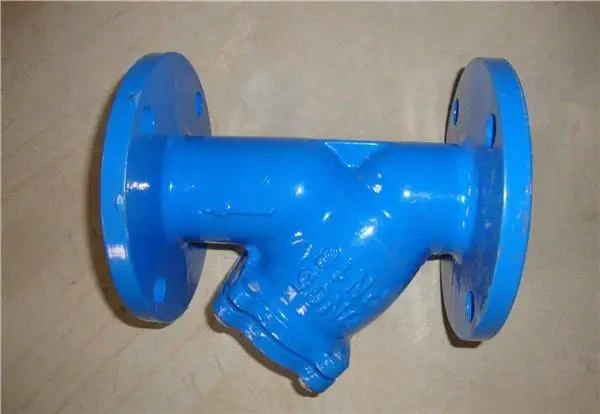
water gate valve types
Water gate valves, often underrated, play a crucial role in managing water flow across various syste
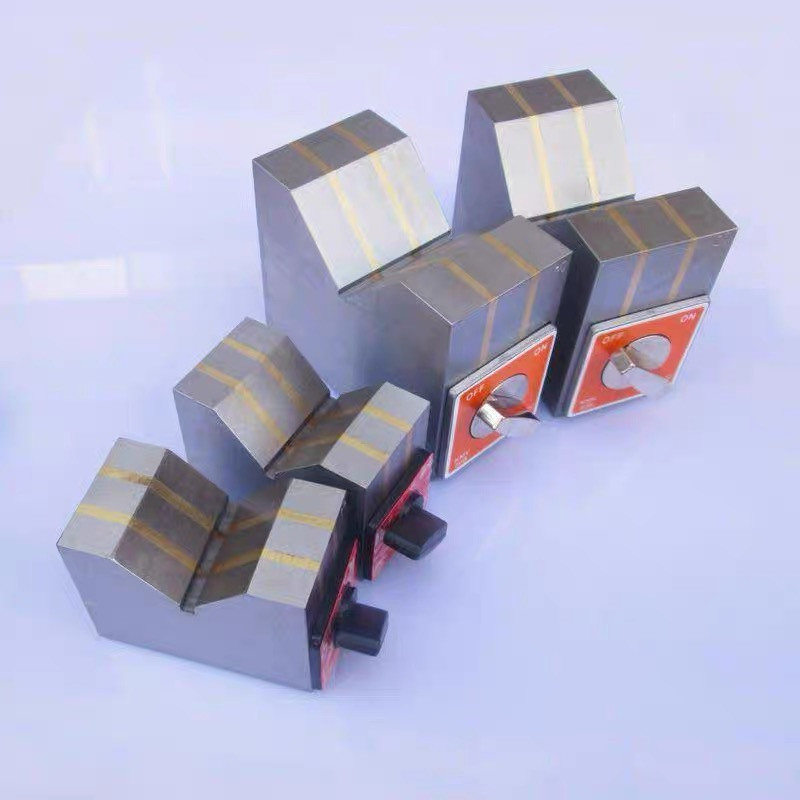
valvole ad acqua accese o spente
Valvole dell'Acqua Accese o Spente? Nel mondo moderno, l’acqua è una risorsa preziosa e limitata. La
 English